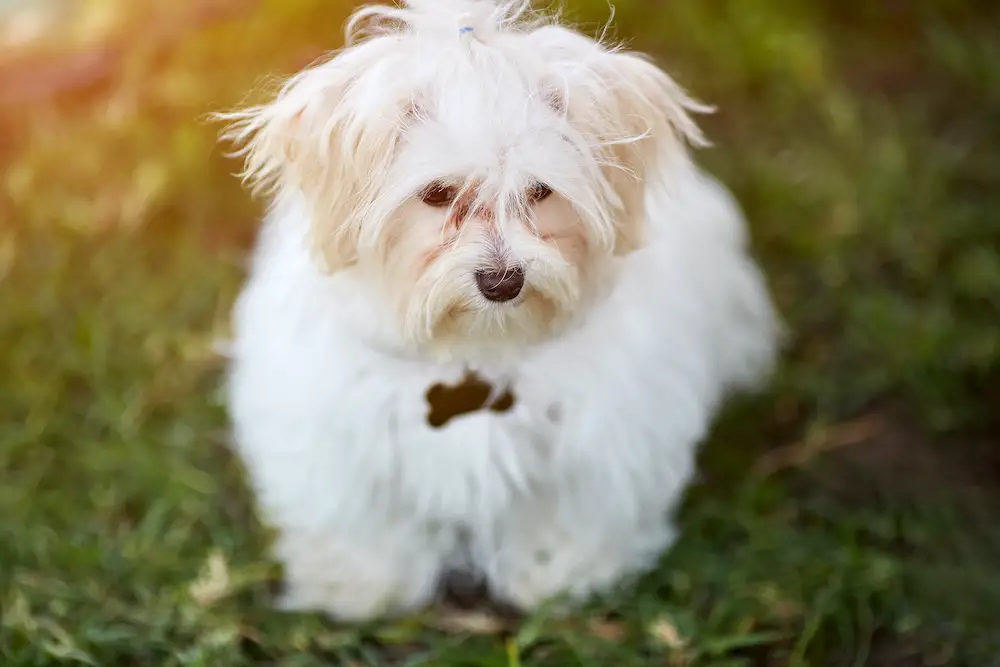
If you took the boldness of a West Highland White Terrier and mixed it with the gentle lap-dog nature of a Maltese, you’d get something pretty close to the Highland Maltie. It’s one of those mixes that sounds like it shouldn’t work – a Scottish hunter crossed with a Mediterranean companion dog – but the result is a surprisingly balanced little dog.
We live with a purebred Westie (Sami), so we know the terrier side of this equation well. The Maltese influence softens some of the more intense Westie traits while keeping the intelligence and loyalty intact. If you’re considering a Highland Maltie, here’s what to expect.
What Is a Highland Maltie?
A Highland Maltie is a cross between a West Highland White Terrier (Westie) and a Maltese. It’s a designer breed – not recognized by major kennel clubs – but it’s gained popularity as a companion dog for families and individuals looking for a small, affectionate, low-shedding pet.
Like all first-generation mixes, there’s some unpredictability in what you’ll get. Your Highland Maltie could lean more Westie (bolder, more energetic, more stubborn) or more Maltese (gentler, calmer, more eager to please). Most land somewhere in the middle.
History of the Parent Breeds
The Maltese has ancient roots – there’s evidence of the breed in Roman, Egyptian, and Greek writings. They became particularly popular in England in the 16th century, where they were favorites of Queen Elizabeth I and later Queen Victoria. Today they’re one of the most popular toy breeds worldwide.
The West Highland White Terrier comes from the Scottish Highlands, where they were bred to hunt badgers, foxes, and vermin. They’re tougher than they look – beneath that fluffy white coat is a working dog with serious determination. The breed was recognized by the AKC in 1908 and has been a popular family dog ever since.
The Highland Maltie combines a Mediterranean lap dog with a Scottish hunting terrier. The result is more interesting than you might expect.
Size and Appearance
Highland Malties are small dogs. Most adults weigh between 4.5 and 9 kg (10 to 20 lbs) and stand about 20 to 28 cm (8 to 11 inches) tall. Size depends on which parent’s genes are dominant – Maltese-leaning dogs will be smaller and lighter, Westie-leaning ones will be sturdier.
Their coat is typically white or cream, medium to long in length, and can range from silky and straight (Maltese influence) to slightly wiry and dense (Westie influence). Most Highland Malties end up with a soft, wavy coat that’s somewhere between the two.
They have expressive dark eyes, a black nose, and small upright or semi-floppy ears. Their face tends to be rounder than a purebred Westie but less delicate than a Maltese. Overall, they look like a fluffy, slightly sturdier version of a Maltese with a hint of terrier attitude in the eyes.
Temperament and Personality
This is where the mix really shines. You get the best of both worlds – if you’re lucky.
Bold but Not Aggressive
The Westie side brings confidence and fearlessness. These are not timid dogs. But the Maltese influence mellows out the intensity, so you get a dog that’s brave without being confrontational. They’ll investigate a strange noise rather than bark at it for twenty minutes straight (unlike some Westies I know).
Affectionate and Loyal
Highland Malties bond deeply with their people. They’re more cuddly than purebred Westies – the Maltese lap-dog genes come through here. They want to be near you, whether that’s sitting on your lap or just lying at your feet while you work.
Intelligent but Stubborn
Both parent breeds are smart, which makes the Highland Maltie quick to learn. But the Westie stubbornness carries over. They’ll pick up new commands fast but sometimes decide they’d rather not follow them. Positive reinforcement and patience work best – harsh training methods will backfire.
Moderate Energy
Unlike some Westie mixes that are bouncing off the walls, the Highland Maltie has moderate energy levels. They need daily exercise but they’re not going to destroy your house if they miss a walk. About 20 to 40 minutes of activity per day is enough – a walk and some playtime covers it.
Good Watchdog, Moderate Barking
They’ll alert you when someone’s at the door, but they’re not as vocal as a purebred Westie. The Maltese genes tone down the barking tendency. This makes them a better fit for apartment living than a full Westie.
Health and Lifespan
Highland Malties are generally healthy dogs with a lifespan of 12 to 15 years. As a mixed breed, they benefit from a wider gene pool, but they can still inherit conditions from either parent.
Health issues to watch for include patellar luxation (dislocating kneecap, common in small breeds), cataracts and eye problems (from both sides), ear infections (especially if the coat is kept long around the ears), Legg-Calve-Perthes disease (degeneration of the hip joint), and skin allergies (from the Westie side).
Regular vet checkups catch most of these early. If you’re buying from a breeder, ask about health screenings on both parents – patella evaluation, eye exam, and hip evaluation at minimum.
For more on what the Westie side contributes to health risks, see our article on Westie lifespan and health issues.
Grooming
Grooming needs depend on which coat type your Highland Maltie inherits. If they lean Maltese (silky, straight coat), they’ll need daily brushing to prevent tangles and regular trims. If they lean Westie (denser, wiry coat), brushing every other day works and the coat is a bit more forgiving.
Either way, they’re low-shedding dogs, which is one of the biggest appeals of this mix. They’re a reasonable choice for people with mild dog allergies, though no dog is truly hypoallergenic.
Professional grooming every 5 to 7 weeks keeps the coat manageable. Between grooming appointments, focus on brushing out tangles (especially behind the ears and under the legs), keeping the face clean (white coats stain around the mouth), and checking ears for dirt or infection.
Don’t forget dental care – small breeds are especially prone to dental disease, and regular tooth brushing can add years to their life. Trim nails every 3-4 weeks and clean ears weekly.
Training
Highland Malties are easier to train than purebred Westies, thanks to the Maltese’s eagerness to please. They respond well to positive reinforcement – treats, praise, and play. Keep training sessions short (5-10 minutes) and varied to hold their attention.
Early socialization is important. Expose them to different people, dogs, and environments as puppies. The Westie side can make them suspicious of strangers if they’re not socialized properly, and the Maltese side can make them clingy if they’re not taught independence early.
One thing to watch: small dog syndrome. Because Highland Malties are cute and small, owners tend to let them get away with behaviors they wouldn’t tolerate in a larger dog (jumping, barking, refusing commands). Train them the same way you’d train any dog. Their size doesn’t excuse bad manners.
Living Situation
Highland Malties are adaptable to almost any living situation. Apartment, house, city, suburbs – they’ll adjust. Their moderate energy level and manageable size make them one of the more flexible small breeds.
They do fine with singles, couples, families, and seniors. They’re patient enough for older children but should be supervised with toddlers (no small dog enjoys being grabbed or squeezed).
They can live with other dogs and often do well with cats, especially if introduced early. Their prey drive is lower than a purebred Westie’s, so they’re less likely to chase small animals – but it’s still there, so use caution.
How Much Does a Highland Maltie Cost?
Expect to pay $600 to $1,500 from a breeder, depending on location and lineage. Because this isn’t one of the most popular designer breeds (compared to, say, a Goldendoodle), prices tend to be more reasonable.
Adoption is always worth exploring. Check Westie rescues, Maltese rescues, and general small-breed rescue organizations. Mixed breeds end up in shelters more often than you’d think.
Ongoing costs include food ($30-50/month for a small breed), grooming ($40-70 every 5-7 weeks), vet visits (annual checkups plus unexpected issues), and toys/supplies.
Highland Maltie vs Other Westie Mixes
How does the Highland Maltie compare to other popular Westie mixes?
Compared to the Westiepoo (Westie-Poodle mix), the Highland Maltie is calmer and less energetic. The Westiepoo is a better fit for active owners; the Highland Maltie suits people who want a more relaxed companion.
Compared to the Fourche Terrier (Westie-Yorkie mix), the Highland Maltie is a bit bigger and less yappy. Both are great lapdogs, but the Fourche Terrier tends to have more terrier intensity.
Compared to the Scoland Terrier (Westie-Scottie mix), the Highland Maltie is much more people-oriented and easier for first-time owners. The Scoland Terrier is more independent and stubborn.
Frequently Asked Questions
How big does a Highland Maltie get?
Most adult Highland Malties weigh between 4.5 and 9 kg (10 to 20 lbs) and stand 20 to 28 cm (8 to 11 inches) tall. Size depends on which parent breed’s genes are dominant.
Are Highland Malties good for apartments?
Yes. Their small size, moderate energy level, and lower barking tendency (compared to purebred Westies) make them well-suited for apartment living. They still need daily walks and playtime.
Do Highland Malties shed?
Very little. Both parent breeds are low-shedding, making the Highland Maltie a reasonable choice for people with mild allergies. Regular brushing prevents matting and keeps the coat healthy.
How long do Highland Malties live?
The average lifespan is 12 to 15 years with proper care, a healthy diet, and regular veterinary checkups.
Are Highland Malties good with kids?
Generally yes, especially with older children who know how to handle a small dog gently. Supervise interactions with toddlers, as no small breed enjoys rough handling.
More About Westies and Westie Mixes
Explore other Westie mixes: the Westiepoo, the Fourche Terrier, the Scoland Terrier, or the Westie and Poodle mix.
For a deep dive into the purebred Westie, read our complete West Highland White Terrier guide. And if you’re thinking about flying with your small dog, breeds this size are perfect for in-cabin travel.
Related Guides
Since Highland Malties inherit westie traits:

![Reverse Sneezing In Dogs: My Scary Experience As A Westie Owner! [+Video]](https://westievibes.com/wp-content/uploads/2022/10/reverse-sneezing-dogs-westie-owner.jpeg)
Sadly our 11 year old Westie Maltese cross Scottie, passed away earlier this year. We are looking to find another adult dog or puppy, Westie Maltese to become part of our family. Scottie was an RSPCA rescue dog who was 3 when we adopted him. We have fallen in love with the breed.
We are in no rush but I remember someone in Toowoomba that bred them?
Could you please give me some advice.