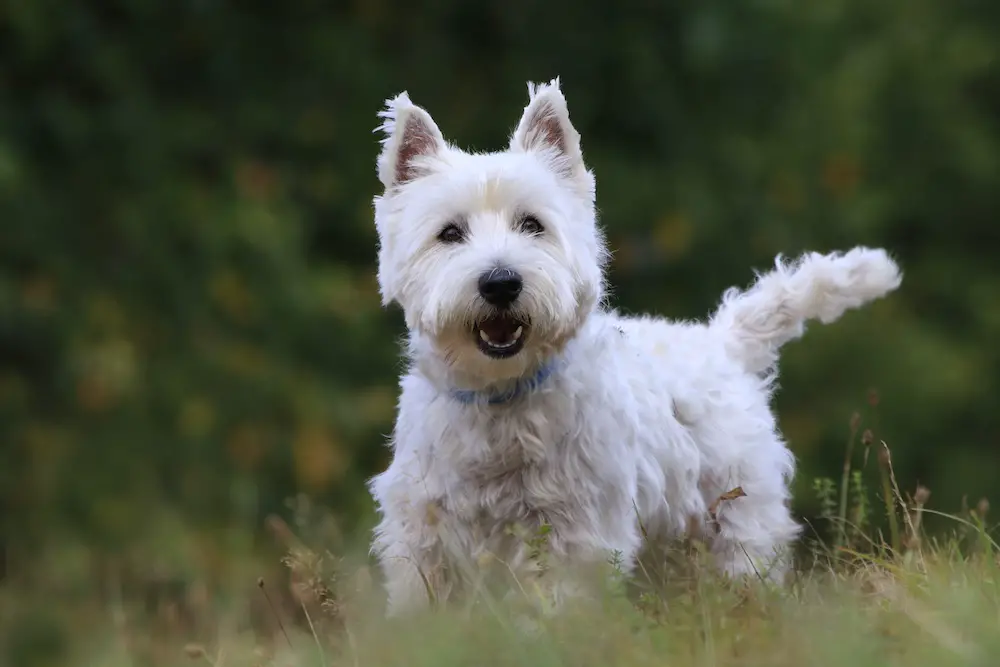
The Westie and Poodle mix - commonly called the Westiepoo, Westiedoodle, or Wee-Poo - is one of the most popular Westie crosses out there. Take a West Highland White Terrier's confidence and independence, mix it with a Poodle's intelligence and low-shedding coat, and you get a dog that's smart, energetic, and surprisingly adaptable.
We live with a purebred Westie (Sami), so we know the terrier half of this equation firsthand. The Poodle parent adds trainability and a coat that's easier on allergies. If you're weighing whether a Westie-Poodle mix is the right dog for you, here's a quick overview of what to expect.
Westiepoo at a Glance
Size: 9-14 kg (20-30 lbs), 28-43 cm (11-17 inches) tall
Lifespan: 12-15 years
Coat: Low-shedding, wavy to curly, usually white or cream
Temperament: Intelligent, loyal, energetic, can be stubborn
Exercise: 30-60 minutes daily
Good for allergies: Better than most breeds (low-shedding, not technically hypoallergenic)
What Makes This Mix Work
The Westie-Poodle combination works because the two breeds complement each other. The Poodle brings intelligence and eagerness to please, which balances out the Westie's stubborn streak. The Poodle's low-shedding coat is a major bonus, especially for people with mild dog allergies. And both breeds are roughly the same size, so there are no surprises about how big (or small) the puppies will turn out.
The energy levels match well too. Both breeds are active without being hyperactive, so a Westiepoo's exercise needs are predictable - a good walk and some playtime each day keeps them happy.
Temperament
Westiepoos are loyal, affectionate, and smart. They bond closely with their family and want to be involved in whatever you're doing. The Poodle's people-pleasing nature makes them easier to train than a purebred Westie, though the terrier stubbornness still shows up when they're not in the mood.
They're alert and will bark at strangers and unusual sounds - the Westie watchdog instinct carries through. They're generally friendly with other dogs, patient with children, and adaptable to different living situations including apartments.
One thing to watch: the prey drive. Westies were bred to hunt vermin, and that instinct can carry over. Your Westiepoo may chase squirrels, cats, or anything small that moves quickly. Keep them leashed in unsecured areas.
Grooming and Coat Care
The low-shedding coat is one of the biggest selling points, but it's not maintenance-free. The wavy-to-curly coat mats easily, especially around the ears, legs, and underbelly. Brush every other day at minimum. Professional grooming every 6-8 weeks keeps things manageable.
Don't skip the dental care. Small breeds are prone to dental disease, and regular tooth brushing can add years to their life. Check ears weekly for dirt and infection, and trim nails monthly.
Health
Westiepoos benefit from hybrid vigor but can still inherit conditions from either parent. Watch for skin allergies and atopic dermatitis (Westie side), hip dysplasia, patellar luxation, ear infections, and eye problems.
With a lifespan of 12-15 years, they're a long-term commitment. Regular vet checkups, a good diet, and daily exercise are the foundations of a healthy life.
If buying from a breeder, ask about health screenings on both parents - patella, hip, and eye evaluations at minimum.
Is a Westiepoo Right for You?
Great fit if: you want a smart, loyal, low-shedding small dog. You're willing to commit to regular grooming. You have time for daily walks and play. You want a dog that's good with families, including kids.
Maybe not ideal if: you want a quiet dog (they bark). You have very small pets (prey drive). You want a dog that's completely independent (they prefer company). You're not willing to groom regularly (the coat mats fast).
Westiepoo vs Other Westie Mixes
The Westiepoo is more energetic and slightly bigger than the Highland Maltie (Westie-Maltese). It's calmer and less yappy than the Fourche Terrier (Westie-Yorkie). And it's more sociable and eager to please than the Scoland Terrier (Westie-Scottie).
For a comprehensive deep dive into everything about this breed - temperament details, training advice, health specifics, cost, and more - read our full Westiepoo breed guide.
Frequently Asked Questions
Are Westiepoos good for people with allergies?
Westiepoos are low-shedding dogs thanks to their Poodle parent, making them better for allergy sufferers than many breeds. No dog is truly hypoallergenic, but they come close.
How big does a Westiepoo get?
Most adult Westiepoos weigh 9-14 kg (20-30 lbs) and stand 28-43 cm (11-17 inches) tall. If Poodle genes dominate, they'll be on the larger end.
Are Westiepoos easy to train?
Easier than purebred Westies, thanks to the Poodle's intelligence and eagerness to please. But the terrier stubbornness still shows up. Positive reinforcement and short, varied sessions work best.
Do Westiepoos bark a lot?
They have a watchdog instinct from the Westie side and will bark at strangers and unusual sounds. It's manageable with training, but they'll never be a silent breed.
How long do Westiepoos live?
The average lifespan is 12-15 years with proper care, regular vet visits, a healthy diet, and daily exercise.
More About Westies
Read our complete West Highland White Terrier guide to learn about the purebred parent. Or explore other Westie mixes: the Highland Maltie, the Fourche Terrier, or the Scoland Terrier.
Planning to fly with your Westiepoo? Their size makes them great candidates for in-cabin travel. Our guide covers carrier requirements, airline rules, and preparation tips.

About Westie Vibes
Westie Vibes is the home of Sami the West Highland White Terrier — tips, stories, and everything we’ve learned about life with a Westie.
Follow along and subscribe for weekly updates.