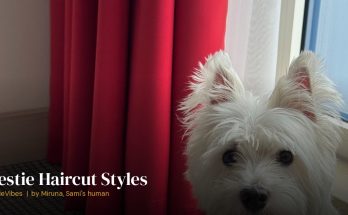
Your westie’s face and ears need more attention than the rest of their body. The facial hair traps food, moisture, and allergens right against the most sensitive skin on their head. The ears are one of the three spots where allergy flare-ups appear first. If you’re only grooming these areas every six weeks at the salon, that’s not enough.
Daily Face Care
I wipe Sami’s face every evening with a fragrance-free grooming wipe. Around the muzzle, under the chin, and around both eyes. This removes the day’s buildup of food, saliva, and environmental allergens before they can sit on his skin overnight.
The wipes need to be hypoallergenic and unscented. Fragranced wipes defeat the purpose – you’re trying to remove irritants, not add new ones. I’ve tried dozens of brands over the years and the ones that work best are the simplest ones with the fewest ingredients.
Tear staining is common in westies. You’ll notice reddish-brown streaks running from the inner corners of the eyes, especially if the facial hair is longer. Daily wiping with a damp cloth helps prevent this from building up. If staining is persistent, check the facial hair length – shorter hair around the eyes means less surface for tears to cling to and stain.
Weekly Eye Area Maintenance
Once a week, take a closer look at the eye area. Check for excessive tearing, crustiness, redness, or any discharge that’s yellow or green (which could indicate infection and warrants a vet visit).
If the hair around the eyes is long enough to touch the eyeball or redirect tears onto the skin, trim it. Use small, rounded-tip grooming scissors. Work slowly, and have someone hold your westie still if needed. I trim around Sami’s eyes myself between groomer visits, but if you’re not comfortable doing this, your groomer can show you how.
Ear Cleaning: Monthly Deep Clean
Clean your westie’s ears once a month with a veterinary ear cleaning solution. Squeeze a few drops into the ear canal, massage the base of the ear gently for about 30 seconds, and let your westie shake it out. Then wipe away any debris you can see with a cotton ball. Don’t push anything into the ear canal.
Between monthly deep cleans, check the ears weekly. What you’re looking for: redness, unusual warmth, excessive wax, or a yeasty/sour smell. In westies, ear infections are frequently connected to underlying skin allergies. The allergy response causes inflammation in the ear canal, which creates the perfect environment for secondary bacterial or yeast infections.
Sami has had his share of ear issues, and they almost always coincide with allergy flare-ups. When I notice him shaking his head more than usual or scratching at his ears, I check immediately. Catching it early means a simple clean and monitoring. Missing it for a week means a vet visit and medication.
Signs of Ear Infection in Westies
Head shaking or tilting to one side. Scratching at the ear, especially if it’s one specific ear. A strong yeasty or sour smell coming from the ear. Redness or swelling in the ear canal. Dark or unusual discharge. Your westie pulling away or crying when you touch the ear.
If you see any of these, schedule a vet visit. Ear infections don’t resolve on their own, and in westies they tend to get worse quickly because of the underlying allergy component.
Trimming Facial Hair at Home
Between professional grooming sessions, you may need to trim the mustache and chin hair if it gets too long. Food gets trapped in long facial hair, which creates moisture against the skin and can lead to irritation.
I keep Sami’s chin and mustache quite short for this reason. After meals, I check for food caught in his facial hair and wipe if needed. With a shorter cut, this happens less often.
For the full grooming schedule and professional grooming guidance, see our complete westie grooming guide. If your westie’s ear issues are connected to allergies, our skin and allergies guide covers the bigger picture.
Watch: Sami’s Story
Here’s how I keep Sami’s face white and clean: