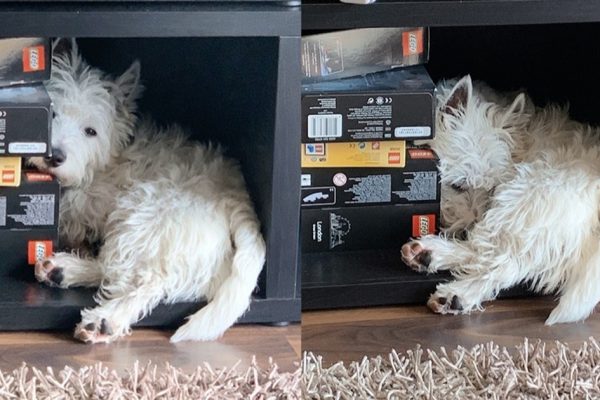
A healthy adult westie weighs between 7 and 10 kg (15-22 lbs). Males tend toward the higher end, females toward the lower. But the number on the scale matters less than what you can feel with your hands.
Run your fingers along your westie’s sides. You should be able to feel the ribs easily with light pressure – not see them, but feel them without pressing hard. If you have to dig through a layer of padding to find the ribs, your westie is overweight. If the ribs are visible, they’re underweight.
Westie Weight by Age
Westie puppies grow quickly in the first 6 months and reach their adult weight between 10-12 months. Here’s a general progression – every individual varies, so these are ranges, not targets:
8 weeks: 1.5-2.5 kg (3-5.5 lbs)
3 months: 2.5-3.5 kg (5.5-7.5 lbs)
6 months: 5-7 kg (11-15 lbs)
9 months: 6-8.5 kg (13-19 lbs)
12 months: 7-10 kg (15-22 lbs) – close to adult weight
If your puppy falls outside these ranges, don’t panic. Some westies are naturally smaller or larger. What matters is steady, consistent growth – not hitting a specific number at a specific age. If growth stalls or jumps dramatically, talk to your vet.
Why Weight Matters More for Westies
Extra weight isn’t just a cosmetic issue. For westies specifically, it compounds several breed-related problems:
Joint stress. Westies are prone to luxating patella (kneecap displacement). Extra weight puts additional pressure on already vulnerable joints. When Sami had his leg-skipping issue, one of the first things the vet checked was his weight. Keeping a westie lean is the single best thing you can do for their joints.
Breathing. Pulmonary fibrosis is a known westie risk, especially after age 6. An overweight westie has to work harder to breathe, which accelerates the impact of any lung changes.
Skin fold irritation. Overweight westies develop skin folds they wouldn’t otherwise have. These folds trap moisture and create environments for yeast and bacterial infections – the last thing a breed already prone to skin problems needs.
How to Manage Your Westie’s Weight
Measure food. Don’t eyeball it. Use a measuring cup or kitchen scale. Even a small daily excess adds up over weeks and months.
Count treats. This is where most westie owners slip. Training treats, dental chews, and table scraps add calories that don’t show up in the main meal portion. If you’re using treats for training, reduce the dinner portion accordingly.
45-60 minutes of activity daily. Split across two or three sessions. Mental stimulation counts too – a 15-minute puzzle feeder tires a westie out as effectively as a walk.
Weigh monthly. Not every dog owner has a scale at home, but your vet’s office does. Monthly weigh-ins catch trends before they become problems. At home, you can weigh yourself, then weigh yourself holding your westie, and subtract.
The Picky Eater Paradox
Some westie owners worry about underweight because their dog refuses food. Westies are notorious picky eaters. Sami loves most foods in the beginning and then gets bored and refuses them after a few days. He can refuse to eat for a full day, which used to stress me out.
If your westie refuses food for 1-2 days with no other symptoms, that’s standard westie pickiness – not a medical emergency. Offer food at meal times, remove it after 15 minutes if untouched, and don’t switch the base food. Constant switching makes pickiness worse. Add variety through safe toppers: a spoonful of plain pumpkin puree, a sardine, or some cooked vegetables.
If food refusal lasts 3+ days or comes with lethargy, vomiting, or other symptoms, that’s a vet visit.
For more on feeding, including which ingredients to avoid for westies with allergies, see our best food for westies guide. For the full health picture, including what to screen for at every age, see our westie health problems overview.