
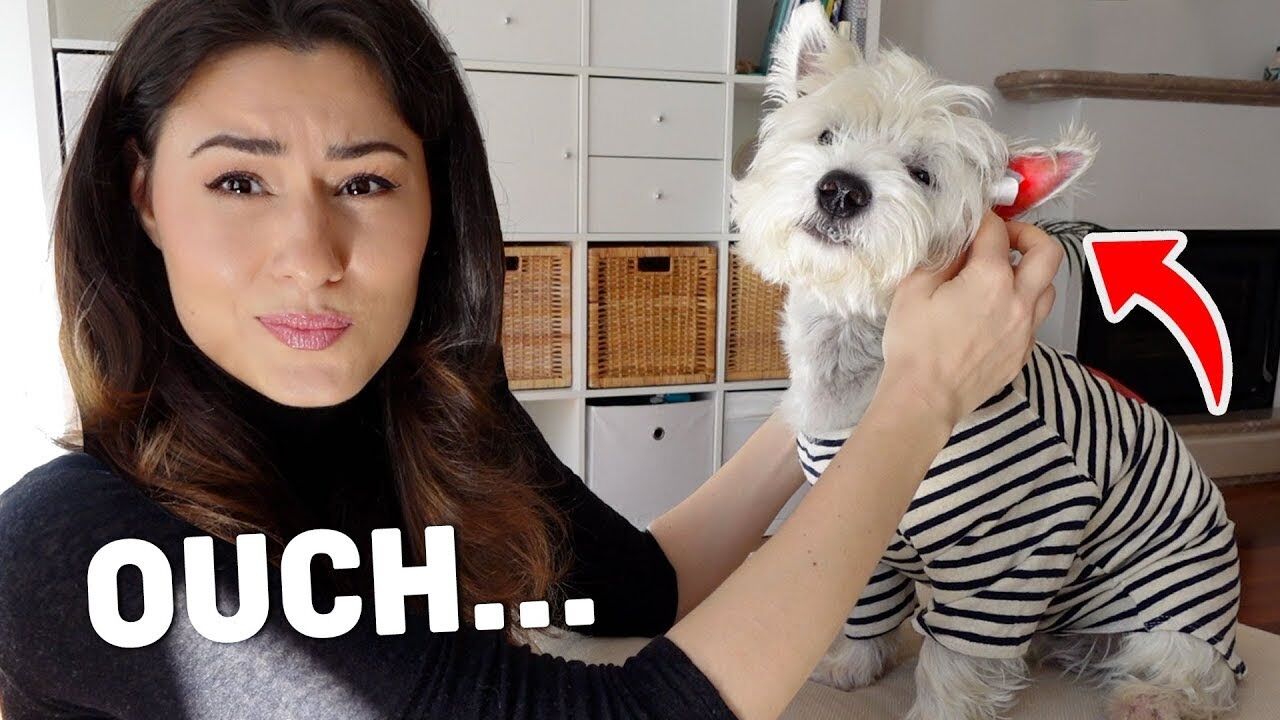
Westie ear infections usually announce themselves with head shaking, scratching, and a strange clicking sound from the ear. They're painful, they escalate fast, and in this breed they're almost always connected to allergies. Sami got his first adult ear infection at age four, and it went from "something sounds odd" to an emergency vet visit within a single day.
Here's what it looked like, what the treatment involved, and what I'd do differently. This is owner experience, not veterinary advice - ear problems always deserve a proper look from your vet.
The First Signs
It started on a Sunday morning. Sami woke up shaking his head, and his left ear made a clicking, crinkling sound I'd never heard before. When I looked it up, the explanation made sense: fluid building up inside the ear canal makes that sound when the ear moves.
Through the day he seemed mostly fine - ate his meals, played, acted normal - just scratching at the ear more than usual. I decided to wait for our regular vet to open on Monday. That turned out to be the wrong call.
How Fast It Escalated
By evening, three things told us this couldn't wait. My boyfriend was playing with him, touched the ear, and Sami cried out - this is a dog who never vocalizes pain. Then I compared his ears: the healthy one was pale pink inside, the bad one was red and visibly swollen. Then he started walking with his back arched, lay down on the floor, and began trembling.
Westies are stoic little dogs. Sami doesn't whine or bark when something hurts; he conceals it. When a dog like that starts trembling on the floor, the pain is serious. We got in the car and drove to the 24-hour vet hospital that night.
What the Vet Did
The diagnosis took about a minute of looking in the ear: infection, no doubt about it. The full treatment plan looked like this:
A sample went to the lab. Ear infections can be bacterial, yeast, or fungal, and the right treatment depends on which. Results take a few days.
A broad-spectrum antibiotic to start immediately. Rather than wait for the lab, she prescribed the most common antibiotic drops that work for most ear infections, to be reviewed at the follow-up once the results were in.
Ear cleaning drops before each treatment. Twice a day, I first cleaned the ear with drops that dissolve the wax, so the antibiotic could actually reach the ear canal, then applied the antibiotic drops. Sami hated every second and cooperated anyway, because he's a good boy and because treats exist.
Anti-inflammatory medication for the pain and swelling, which made a visible difference within a day or two.
The whole thing - emergency consultation, lab tests, and all three medications - came to 124 euros, of which 58 euros was the emergency consult fee. Barely more than a regular appointment would have cost the next day, and it spared him a night of real pain.
Bacterial, Yeast, or Fungal - Why the Lab Test Matters
I'll admit I initially wondered why we needed a lab test when the vet could see the infection with her own eyes. The answer: seeing that there's an infection is easy, knowing what's causing it is not. A yeast infection and a bacterial infection can look nearly identical inside the ear, and they need different treatment. Using the wrong drops means a week of medicating your dog for nothing while the real problem digs in deeper.
The broad-spectrum antibiotic is the sensible bridge - it covers the most common causes while the lab does its work. At the follow-up, the vet either confirms the treatment or switches it based on the results. If your vet skips the sample and the infection keeps coming back, that's worth a conversation.
One more thing I did that you shouldn't: before the vet visit, I put some of our regular ear cleaning drops in, hoping it would help. It didn't hurt him, but the vet explained that cleaning drops can't treat an infection, and anything you put in an already inflamed ear can make examination harder. Look, smell, compare with the healthy ear - but leave the treating to the person with the otoscope.
Why Westies Get Ear Infections
In this breed, ear infections rarely come out of nowhere. The usual chain is allergies first: the allergic response inflames the skin of the ear canal, and inflamed, moist skin is exactly where bacteria and yeast thrive. Sami has a dust mite allergy, and while his ears had been spared until then, the connection is well established - our Westie skin and allergies guide covers how to spot and manage the underlying triggers.
The other common cause is water. Bath water that gets into the ears and doesn't dry out can turn into an infection within a week. It's why I check Sami's ears after every single bath - there's more on that routine in the bathing guide.
What a Healthy Ear Looks Like
Make the ear check part of your weekly routine, because you want to know what normal looks like before something goes wrong. A healthy Westie ear is pale pink inside, has minimal wax, and doesn't smell. Warning signs: redness, swelling, brown discharge, a yeasty or sweet smell, more wax than usual, or your dog reacting when you touch the ear.
For routine maintenance, I use a vet-recommended ear cleaner on a cotton ball about once a month - never a cotton bud inside the canal. The full ear, nail, and teeth routine is in our Westie grooming guide.
Preventing the Next One
Three habits have kept Sami's ears clear since:
Dry the ears after every bath. Water that sits in the ear canal is the fastest route to an infection. After baths I towel the ear flaps, then check inside the next day for any trapped moisture. Same rule after swimming or a rainy walk that soaks the head.
Monthly cleaning, weekly checking. The cleaner dissolves wax buildup before it becomes a home for yeast. The weekly check takes ten seconds per ear and catches changes early - by now I know exactly what Sami's healthy ears look and smell like, so anything different stands out immediately.
Keep the allergies managed. This is the big one for Westies. When Sami's skin is in a good phase, his ears stay quiet. When his allergies flare, everything gets more reactive, ears included. Managing the root cause protects the ears as a side effect.
When to Call the Vet
With hindsight, my rule is simple: visible redness or swelling inside the ear means a vet visit that day, not tomorrow. Go immediately if you see any of these:
Crying or flinching when the ear is touched. Trembling, an arched back, or any other pain posture. Head tilted to one side or constant shaking. Discharge or a strong smell. Loss of balance or circling, which can mean the infection has moved deeper - that one is urgent.
An ear infection doesn't get better on its own, and every hour of waiting is an hour your dog spends in pain. The 58-euro emergency fee was the best money we spent that month.
How It Ended
The follow-up came a few days later, the infection was clearing, and Sami was back to his usual self within the week - if anything, slightly smug about all the extra treats the medication routine involved. His ears have been clear since, helped by the monthly cleaning and by keeping his allergies managed.
The full health picture for the breed, including which conditions show up at which age, is in our Westie health problems overview. And everything we do to keep Sami's ears, skin, and coat out of trouble is in the Complete Westie Care Guide.

About Westie Vibes
Westie Vibes is the home of Sami the West Highland White Terrier — tips, stories, and everything we’ve learned about life with a Westie.
Follow along and subscribe for weekly updates.