
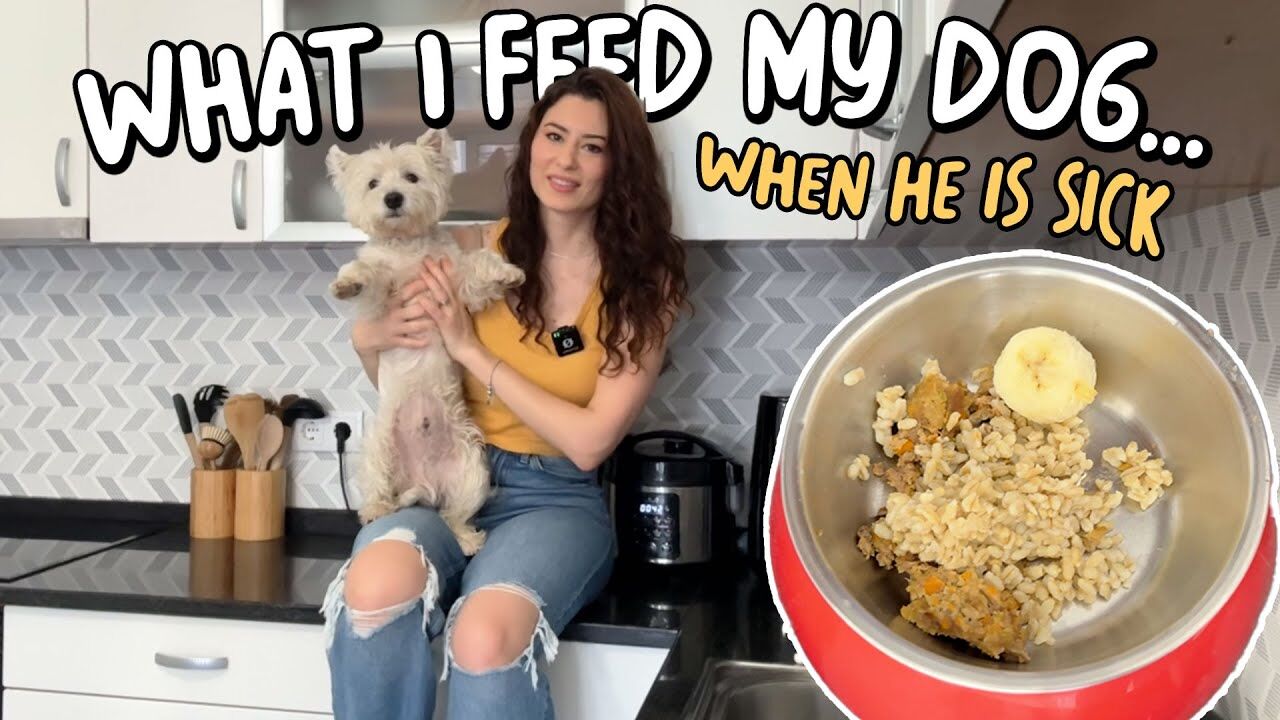
When your dog has diarrhea, the standard advice is boiled chicken and rice. Simple - unless your Westie is allergic to chicken and rice, like Sami is. This is the bland diet we use instead, how I portion it, and the point at which an upset stomach stops being a home-care situation and becomes a vet visit.
The usual note first: I'm sharing what works for us as owners, not veterinary advice. If you're unsure, call your vet - diarrhea is one of those things where a quick phone call settles most doubts.
The Night It Started
Sami spent a day at dog school, where I'm fairly sure someone fed him treats he's not used to. That night he scratched at the door every two hours - 1 am, 3 am, on it went - and my husband and I took turns taking him outside. Four rounds of diarrhea by morning.
He very rarely has stomach problems, so when he asks to go out at night, we take it seriously. By morning he was bright, hungry, and acting completely normal, which told me this was a food upset rather than something worse. That distinction matters - a dog who is also lethargic, vomiting, or refusing water is a different situation entirely.
The Bland Diet, Westie Edition
I called our vet, and her advice was the classic one: feed easy carbs to firm things up, typically rice or boiled pasta, with some lean meat. Sami is allergic to chicken, rice, and wheat, so the standard version was out. Here's what we use instead:
Ground turkey. A lean white meat with very little fat, gentle on the stomach, and one of the proteins Sami tolerates well. I steam it in the rice cooker.
Oat rice instead of regular rice. This was the discovery that made everything easier - oats pressed into rice-shaped grains, so I can cook it exactly like rice. Plain rolled oats made into a porridge work just as well if you can't find it.
A little mashed banana. Banana helps with diarrhea. Sami despises bananas and will surgically remove any visible piece from his bowl, so it goes in as a puree, thoroughly mixed. He has never caught on.
Small Portions, Not Fasting
Some advice says to withhold food entirely for a day when a dog has diarrhea. We don't, for one Sami-specific reason: on an empty stomach he vomits yellow bile, which just adds a second problem on top of the first.
Instead I feed small portions several times a day - a fraction of his normal meal each time. The gut gets a rest without ever being completely empty. It worked: no more accidents from that first morning on.
Water Matters More Than Food
The actual danger with diarrhea isn't the missed nutrition - a healthy adult dog can handle a couple of light days - it's dehydration. Four rounds of diarrhea in a night takes a lot of fluid out of a small dog.
So while I'm careful with food, water stays freely available the whole time, and I actively encourage drinking. A splash of the water the turkey steamed in, added to his bowl, makes it interesting enough that he drinks more than he otherwise would. The skin test is a quick dehydration check: gently lift the skin between the shoulder blades - it should snap back immediately. If it settles back slowly, call your vet.
What Not to Feed
A few things that make an upset stomach worse, all learned either from our vet or from other owners' mistakes: anything fatty (fat is hard to digest and keeps the gut irritated), dairy, rich treats and chews, and table scraps of any kind. Also skip anything new - an upset stomach is the worst possible moment to introduce an ingredient the gut hasn't seen before.
And don't reach for human anti-diarrhea medication. Some of it is outright dangerous for dogs, and the safe-ish options need dosing by a vet who knows your dog's weight and history. The bland diet does the job in almost every simple case.
The Two Things From the Vet
A stomach protector. Our vet gave us a paste in a pre-dosed syringe that coats and protects the stomach lining, given once a day for three days. Fair warning: administering a syringe of paste to a dog is messier than any vet makes it look. Most of day one's dose ended up on the counter, on me, and on an unimpressed Sami.
A daily probiotic. Sami gets a probiotic in his breakfast every day, sick or not, on our vet's recommendation. Since we started it, stomach episodes like this one have been rare - once a year, maybe less.
When Diarrhea Means a Vet Visit
Home care is for a dog who is otherwise bright and behaving normally. Call the vet if any of these are true:
The diarrhea lasts more than 24-48 hours despite the bland diet. There's blood in it, or it's black and tarry. Your dog is also vomiting, lethargic, refusing water, or in pain. It's a puppy or a senior - they dehydrate much faster and have less reserve. Or your gut simply says something is off. With a stoic breed like this one, trust that instinct.
How Long Until Things Are Normal?
With a simple food upset and the bland diet, expect visible improvement within 24 hours and normal stools within two to three days. Sami's timeline was typical: rough night, one soft episode the next morning, then settled. If day two looks no better than day one, or things improve and then relapse the moment you're back on normal food, stop guessing - that pattern is what vets are for.
Getting Back to Normal Food
Once the stools firm up, don't celebrate by serving a full normal meal - that's how you restart the whole cycle. I transition over two or three days: first day, half bland diet and half normal food, mixed. Second day, mostly normal food with a spoonful of the oats. Third day, back to the regular menu.
Sami's regular diet is home-cooked, which makes this easy, but the same gradual mixing works with kibble. The gut likes boring, predictable changes - which, coincidentally, describes everything about how you should change a Westie's food, ever.
Preventing the Next Episode
The trigger for us was almost certainly unfamiliar treats, and that's the most common cause I hear from other Westie owners too. If someone else watches your dog - daycare, dog school, family - tell them explicitly what treats are okay. One well-meant biscuit can undo weeks of careful feeding, especially in a breed this prone to food sensitivities.
If your Westie's stomach upsets keep coming back, or they come with itchy skin and paw licking, the problem may be the base diet rather than bad luck - our guide to food for Westies with allergies covers the elimination process, and the best food for Westies guide covers what to feed day to day. The broader health picture is in the Westie health problems overview.
By the second day, Sami's stomach was settled and he was licking his bowl clean like the whole thing never happened. The turkey-and-oats recipe now lives permanently in my back pocket.
Our full feeding routine, including portions and the toppers Sami actually likes, is in the Complete Westie Care Guide.

About Westie Vibes
Westie Vibes is the home of Sami the West Highland White Terrier — tips, stories, and everything we’ve learned about life with a Westie.
Follow along and subscribe for weekly updates.