
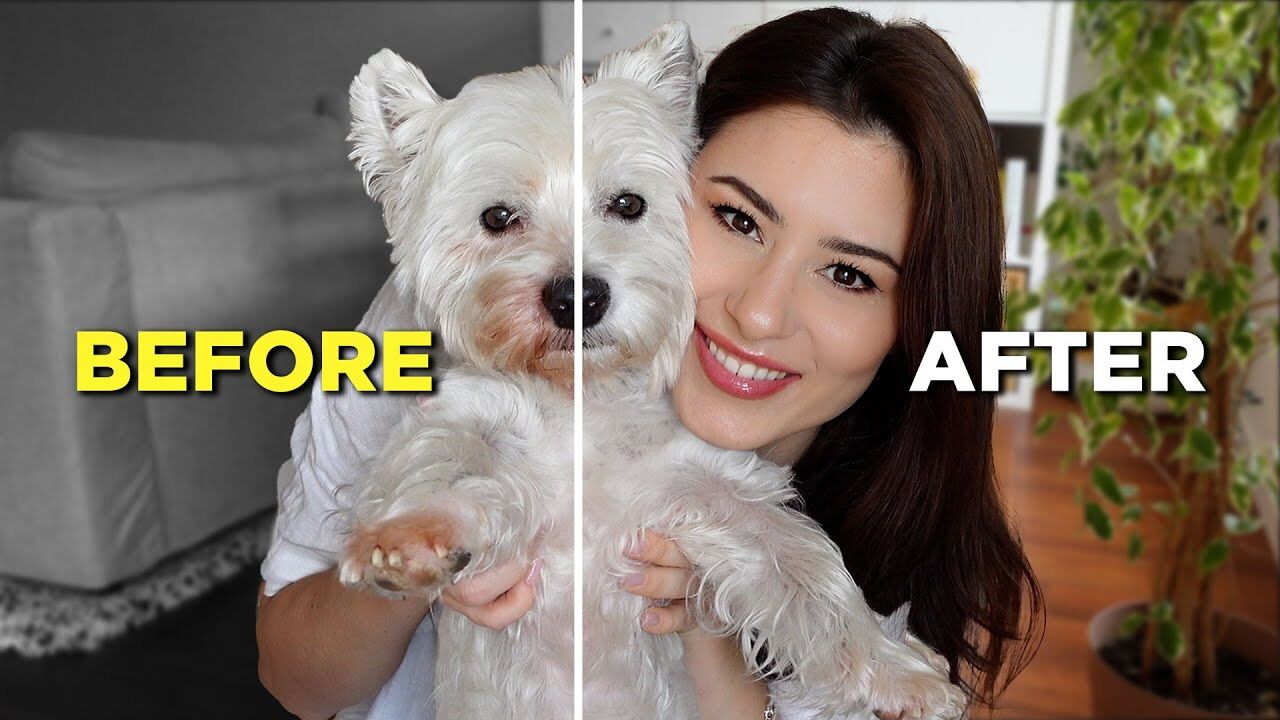
People message me constantly asking how I keep Sami so white around the mouth - the dreaded orange face syndrome is half the reason white-dog owners exist on the internet. For years my honest answer was "genetics, I guess, he just doesn't stain." Then I left him at boarding for ten days and got back a dog with a rusty brown beard, and learned that my dog isn't special after all. The whiteness was the routine, not the dog.
Here's why Westie beards stain, the exact routine that keeps Sami white, and the part where staining stops being cosmetic and becomes a health flag.
Why White Beards Turn Brown
Moisture, first and always. Wet hair oxidizes. A dog whose chin stays damp - from drinking, eating, salivating, licking - doesn't stain overnight, but day after day the hair turns pink, then progressively rusty brown. This is also where porphyrins come in: saliva and tears carry iron-containing compounds that bind to wet hair and darken it over time. Moisture is the delivery system; the staining builds gradually and quietly.
Food. What goes in the mouth ends up on the beard. Sami eats a home-cooked diet heavy on orange things - sweet potato, pumpkin, carrots - and without cleanup he would have a permanently orange face. Kibble with artificial colorants does the same thing from the other direction.
Genetics, partially. Some dogs have more acidic saliva and stain faster - that part you can't change. What I got wrong for years was assuming genetics was the whole story. It's maybe a third of it.
And the bad news: once hair has turned brown, it does not come clean. I tried everything on Sami after the boarding episode, including a whitening shampoo bath - nothing. Stained hair stays stained until it grows out and gets trimmed off, which took about two months. Everything that follows is prevention, because prevention is all there is.
The Boarding Story, or How I Learned It Was Me
The ten days that stained Sami were a perfect storm: winter rainy season, wet grass on every walk, and his habit of licking his paws when they're wet - which he believes dries them and in fact just adds saliva to moisture. His allergies were flaring, so the licking doubled. And naturally, nobody at boarding was wiping his mouth after meals and water, because who does that?
Me. It turns out I do that, all day, without registering it as a routine. He came back with stained mouth and paws (he still looked white on camera, of course - Instagram is a liar), and my "lucky genetics" theory died on the spot.
The Actual Routine
Wipe the mouth after eating and drinking. This is the whole secret, honestly. I work from home, so when Sami drinks I'm usually nearby with a kitchen towel to dab his chin - a habit that started because I hated the water trail through the house. After each of his two meals we have a little ritual: I ask him if it was good, and then I go in properly with a fragrance-free dog wipe and get all the orange out. He is not a fan. He tolerates it. Twice a day, every day.
Monthly grooming. The beard and paw hair gets trimmed every month, so stained tips get cut away before they accumulate and the hair stays fresh. When Sami was younger I kept his coat long and fluffy and groomed every 2-3 months, and even with cleaning, the tips of the beard would go reddish. Shorter cycle, whiter dog. The beard trim itself is part of face grooming you can do at home - the how is in our face and ears grooming guide.
Feed clean. Natural food without artificial colorants. If your dog eats kibble with red dye, the beard will report it.
Brush the teeth. I brush Sami's teeth nightly - for gum health, not whiteness - but a clean mouth means cleaner saliva and less of everything that stains. Twice a week is the useful minimum if daily isn't happening.
Dry after baths and wet walks. The same moisture logic applies everywhere: a thoroughly dried beard and paws stain slower. Bathing itself helps keep the coat fresh - the right schedule is in the bathing frequency guide.
The Paws Count Too
Everything above applies to the other place white Westies go rusty: the feet. Sami's boarding stains were as much paw as beard, driven by the same loop - wet grass, then licking, then more moisture, then pink hair. Paw staining has an extra twist, though: the licking that causes it is often itself a symptom, because paw licking is the classic first sign of a Westie allergy flare. Stained paws on a dog who licks constantly means the priority is the itch, not the color.
The routine that covers it is the same daily wipe-down we already do for allergen control: paws toweled or wiped after wet walks, dried properly after baths, and the hair between the toes kept trimmed at the monthly groom. White feet turn out to be a side effect of healthy feet, which is the best kind of grooming outcome.
The Tips I Can't Confirm
Two suggestions come up constantly that I genuinely can't verify. One: swap metal bowls for ceramic or glass, on the theory that stainless steel contributes to oxidation. Sami drinks from a metal bowl and eats from a ceramic one (a coincidence, not a system) and stays white, so I've never felt the need to test it. Two: bottled water instead of tap, which presumably depends entirely on your local water. If you've done everything above for a couple of months and the stains persist, these are cheap experiments - in that order.
What Not to Do
Don't scrub existing stains with whitening shampoo expecting miracles - it can brighten unstained white hair a little, but it will not un-brown stained hair. Don't use fragranced human wipes on a dog's face, especially a breed this prone to skin reactions. And don't bleach anything, ever - I mention this only because the internet contains people who have tried.
When Staining Is a Health Flag
The usual disclaimer applies - I'm an owner, not a vet - but this part matters. Slow, symmetric browning from moisture and food is cosmetic. A reddish-brown stain that comes with a yeasty or musty smell, itching, obsessive licking of one area, or greasy reddish skin underneath is a different animal: that's likely a yeast infection, which loves exactly the warm, damp spots where stains form - the mouth folds, the paws, under the ears. Yeast needs treatment, not wipes.
The paw version is the one to watch for in Westies especially: constant paw licking both causes staining and signals the allergies that drive most of this breed's skin problems. If the stained paws come with genuinely itchy feet, treat the itch, not the color.
So: wipe the chin, trim monthly, feed clean, brush teeth, and let time grow out what's already brown. Sami's whiteness has survived everything except ten days without me - which I choose to take as a compliment.
The full grooming routine this fits into, plus everything else we do to keep one small white dog presentable, is in the Complete Westie Care Guide.

About Westie Vibes
Westie Vibes is the home of Sami the West Highland White Terrier — tips, stories, and everything we’ve learned about life with a Westie.
Follow along and subscribe for weekly updates.